
"heat distribution"
2000 article(s) found

Understanding 12 factors and problems will directly affect the perfection of Espresso.
The production of Espresso is an art that requires precision and patience. Maybe it's because there are so many factors that affect the production of Espresso that we can have a lot of fun when we use our brains and emotional hearts to control its complexity. The following 12 factors and problems will directly affect the perfection of Espresso! 1. There is no good coffee to match.

Home brewing espresso complete tutorial, coffee cloth powder, press powder, extract, milk foam pull flower
Professional barista exchanges, please pay attention to coffee workshop (Weixin Official Accounts cafe_style) Too high water temperature or steam will scald coffee powder, too long brewing time will over-extract bitter ingredients in coffee, and coffee powder that is not fine enough cannot dissolve the most aromatic substances; In order to overcome the above problems, Italians have developed piston or pump instead of steam as pressure source.
The working principle of the classic E61 cooking head of the coffee machine
The E61 head first appeared on the Faema E61 coffee machine in 1961. It is an exquisite design and has become a classic of the Italian coffee machine. Nearly 50 years after its birth, there are still many Italian coffee machine manufacturers assembling this kind of head on some models of machines. What are the advantages of E61 boiled head to make it popular for such a long time? Here is a quote

The coffee from the espresso machine is not good. How to make a cup of high quality espresso?
For professional baristas, please follow the coffee workshop (Wechat official account cafe_style) 1. It is impossible to make a good Espresso without a good coffee mix. Coffee must be matched with the sweetness, aroma and lubrication required by Espresso. Coffee beans must be fresh. We recommend using coffee beans within 4 days after baking. two。 Deeply baked beans will taste bitter and scorched. Experienced baking

Explanation of the working principle of classic Italian coffee machine E61 brewing head
The E61 head first appeared on the Faema E61 coffee machine in 1961. It is an exquisite design and has become a classic of the Italian coffee machine. Nearly 50 years after its birth, there are still many Italian coffee machine manufacturers assembling this kind of head on some models of machines. What are the advantages of E61 boiled head to make it popular for such a long time? Here is a quote

What kinds of coffee pots are there?
Introduction to American dripping pot: dripping coffee machine is a classic dripping filter. After the power is turned on, the high heat element in the coffee pot quickly heats a small part of the water flowing from the water storage tank to boiling, and the steam pressure pushes the water out of the water delivery pipe in turn, drips evenly into the filter containing coffee powder through the distribution plate, and then flows into the coffee bottle to become drinking coffee.

12 factors affecting the perfection of Espresso based on the basic knowledge of espresso
The production of Espresso is an art that requires precision and patience. Maybe it's because there are so many factors that affect the production of Espresso that we can have a lot of fun when we use our brains and emotional hearts to control its complexity. The following 12 factors and problems will directly affect the perfection of Espresso! 1. There is no good coffee to match.

Knowledge | 12 factors affecting the taste of Espresso what affects the quality of Espresso?
The production of Espresso is an art that requires precision and patience. Maybe it's because there are so many factors that affect the production of Espresso that we can have a lot of fun when we use our brains and emotional hearts to control its complexity. The following 12 factors and problems will directly affect the perfection of Espresso! 1. There is no good coffee to match.

12 factors affecting the perfection of Espresso based on the basic knowledge of Italian Coffee
The production of Espresso is an art that requires precision and patience. Maybe it's because there are so many factors that affect the production of Espresso that we can have a lot of fun when we use our brains and emotional hearts to control its complexity. The following 12 factors and problems will directly affect the perfection of Espresso! 1. There is no good coffee to match.
Basic chemical reactions that occur during coffee roasting
Many thermal and chemical reactions take place during baking: decarbonation, dehydration of quinic acid, fragmentation, isomerization, polymerization, and complex sugar reactions (caramelization). The main thermally reactive components are monosaccharides and sucrose, chlorogenic acid, displaced amino acids, and trigonelline amide. Both aravinone and calactose in polysaccharides are transferred, and basic sulfurization contains hydroxyamino acids.
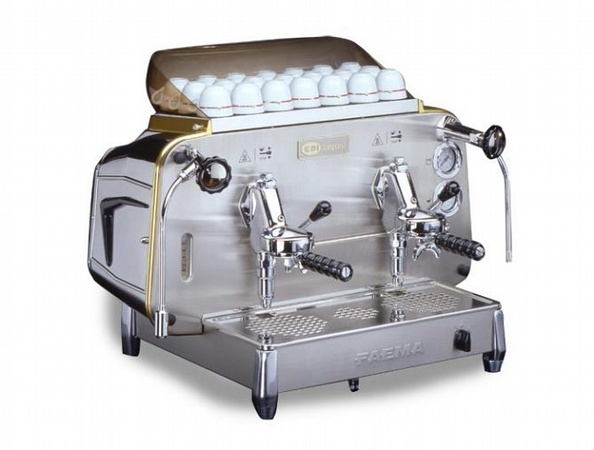
61 structure principle of cooking head Italian commercial coffee machine sealing ring and plugging treatment of cooking head
The E61 head first appeared on the Faema E61 coffee machine in 1961. It is an exquisite design and has become a classic of the Italian coffee machine. Nearly 50 years after its birth, there are still many Italian coffee machine manufacturers assembling this kind of head on some models of machines. What are the advantages of E61 boiled head to make it popular for such a long time? Here is a quote

Latte coffee beans knowledge Daquan latte coffee species characteristics latte ratio milk foam ratio
Professional coffee knowledge exchange more coffee bean information please pay attention to the coffee workshop (Wechat official account cafe_style) latte coffee _ the meaning of latte _ latte and mocha the difference between milk and coffee Caffe Latte is Italian, but this drink is not invented in the old sense, the origin of latte can be traced back to the war between the Ottoman Empire of Turkey and Vienna. One six eight
The basic chemical reaction of coffee roasting process
Many thermal and chemical reactions take place during baking: decarbonation, dehydration of quinic acid, subdivision, isomerization, polymerization, and complex sugar reactions (caramelization). The main components of the thermal reaction are monosaccharides and sucrose, chlorogenic acid, free amino acids, and fenugreek amide. Both aravinose and calactose in the polysaccharides are transferred, and the basic vulcanization contains hydroxylated amino acid.
The basic chemical reaction that takes place during coffee roasting.
Many thermal and chemical reactions take place during baking: decarbonation, dehydration of quinic acid, subdivision, isomerization, polymerization, and complex sugar reactions (caramelization). The main components of the thermal reaction are monosaccharides and sucrose, chlorogenic acid, free amino acids, and fenugreek amide. Both aravinose and calactose in the polysaccharides are transferred, and the basic vulcanization process includes hydroxylamine.

The basic chemical reactions that take place during coffee roasting
Many thermal and chemical reactions take place during baking: decarbonation, dehydration of quinic acid, subdivision, isomerization, polymerization, and complex sugar reactions (caramelization). The main components of the thermal reaction are monosaccharides and sucrose, chlorogenic acid, free amino acids, and fenugreek amide. Both aravinose and calactose in the polysaccharides are transferred, and the basic vulcanization process includes hydroxylamine.

Basic chemical reactions of coffee beans during coffee roasting
Many thermal and chemical reactions take place during baking: decarbonation, dehydration of quinic acid, subdivision, isomerization, polymerization, and complex sugar reactions (caramelization). The main components of the thermal reaction are monosaccharides and sucrose, chlorogenic acid, free amino acids, and fenugreek amide. Both aravinose and calactose in the polysaccharides are transferred, and the basic vulcanization process includes hydroxylamine.

The basic chemical reactions that take place during coffee roasting
Many thermal and chemical reactions take place during baking: decarbonation, dehydration of quinic acid, subdivision, isomerization, polymerization, and complex sugar reactions (caramelization). The main components of the thermal reaction are monosaccharides and sucrose, chlorogenic acid, free amino acids, and fenugreek amide. Both aravinose and calactose in the polysaccharides are transferred, and the basic vulcanization process includes hydroxylamine.

The basic chemical reactions that take place during coffee roasting.
Many thermal and chemical reactions take place during baking: decarbonation, dehydration of quinic acid, subdivision, isomerization, polymerization, and complex sugar reactions (caramelization). The main components of the thermal reaction are monosaccharides and sucrose, chlorogenic acid, free amino acids, and fenugreek amide. Both aravinose and calactose in the polysaccharides are transferred, and the basic vulcanization process includes hydroxylamine.
Faema E61 coffee machine (structure principle of E61 brewing head)
The E61 head first appeared on the Faema E61 coffee machine in 1961. It is an exquisite design and has become a classic of the Italian coffee machine. Nearly 50 years after its birth, there are still many Italian coffee machine manufacturers assembling this kind of head on some models of machines. What are the advantages of E61 boiled head to make it popular for such a long time? Here is a quote
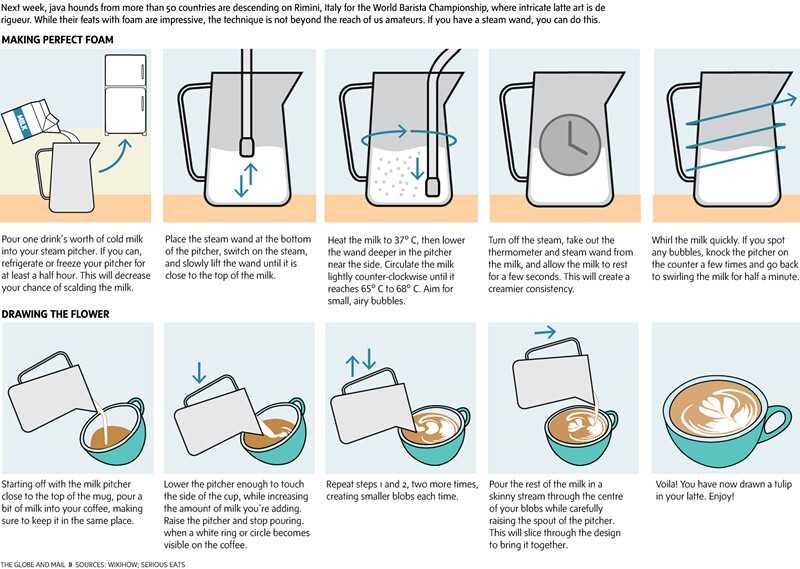
You can also make milk foam at home: Italian coffee machine.
Equipment for making milk foam Tiamo HA152B double-layer milk bubble cup or single-layer Tiamo pull flower cup KONTESSAVEVVIGANO mocha pot is used because it can make espresso, although there is no way to compare it with machine-brewed espresso. Therefore, the mocha pot is the choice of friends who do not have a machine and want to try to pull flowers.